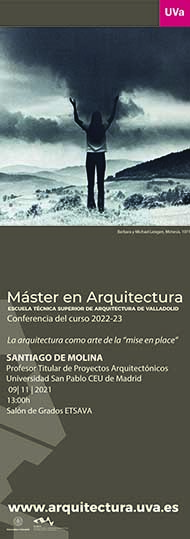
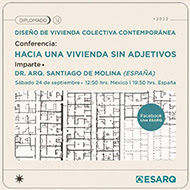
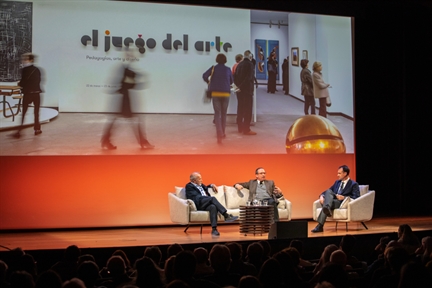
El mecanismo de domesticación es intrínseco a la arquitectura. Lo que sucede en el interior, desde la materia hasta el espacio, es un eco purificado de la agresividad del exterior. Cada bóveda representa el frío, los astros y las nubes del cielo abierto. Las calles se convierten, en el interior, en pasillos y corredores; las plazas, en salones. Incluso la madera o el barro son secuestrados de la naturaleza para convertirse en materia ordenada.
En el interior, por un prodigioso milagro, somos capaces de representar las afueras por completo: puede que solo convertidas en símbolos, pero libres de lo inhóspito. En ese sentido, toda arquitectura es capaz de referirse a lo externo resumido, adecuado y amable. La materia se vuelve humana, tanto como el cielo, las montañas, los ríos y los bosques. Del mismo modo que el lobo se hace perro en el interior de la casa, una noche estrellada se transforma en el cielo pintado por Giotto en una iglesia de Padua. Cada jardín y cada huerto son una naturaleza corregida, amplificada y mutilada de sus peligros. El proceso de domesticación que lleva a cabo la arquitectura con el mundo conserva, a la vez, el anhelo del otro lado: en cada interior existe la nostalgia de lo que no ha sido capaz de introducir en su seno, del mismo modo que lo exterior anhela la sofisticación atemperada de lo que sucede cuando a la materia se le pone orden y aparece como una forma diferente de belleza que no le es propia. Igual que sucedía en la bella historia relatada por Borges entre el guerrero y la cautiva. Todo el gótico puede entenderse, pues, como la edificación de un luminoso bosque sagrado, que se repite en el techo pintado por Leonardo como una sombreada arboleda en el Castello Sforzesco.
Entre todos los clásicos, seguramente fue Palladio quien recurrió con más asiduidad al mecanismo de atrapar el exterior en el corazón de sus obras. En el Teatro Olímpico de Vicenza logró articular un sistema que resume el mundo dentro de un glorioso mise en abyme, cuyo tema es una inmensa domesticación del afuera, ya sea Venecia y su cielo o la ciudad misma. En su escenario, las calles de la ciudad son el teatro de la ciudad. A la vez, un cielo pintado por Scamozzi actúa como teatro del cielo mismo. En ese juego de espejos estaríamos, de hecho, sentados en un teatro romano, en el exterior de una fingida ciudad de Tebas, algo tan real como lo es la propia realidad del teatro como sistema de representación del mundo. Ese mecanismo interior se extiende hasta el Japón. En todos esos espacios, el mundo de la belleza humana y el de la belleza exterior se llaman mutuamente. Entre ambos hay un puente tendido. Este puente es una buena definición de lo que entendemos por el trabajo del arquitecto.
En el interior, por un prodigioso milagro, somos capaces de representar las afueras por completo: puede que solo convertidas en símbolos, pero libres de lo inhóspito. En ese sentido, toda arquitectura es capaz de referirse a lo externo resumido, adecuado y amable. La materia se vuelve humana, tanto como el cielo, las montañas, los ríos y los bosques. Del mismo modo que el lobo se hace perro en el interior de la casa, una noche estrellada se transforma en el cielo pintado por Giotto en una iglesia de Padua. Cada jardín y cada huerto son una naturaleza corregida, amplificada y mutilada de sus peligros. El proceso de domesticación que lleva a cabo la arquitectura con el mundo conserva, a la vez, el anhelo del otro lado: en cada interior existe la nostalgia de lo que no ha sido capaz de introducir en su seno, del mismo modo que lo exterior anhela la sofisticación atemperada de lo que sucede cuando a la materia se le pone orden y aparece como una forma diferente de belleza que no le es propia. Igual que sucedía en la bella historia relatada por Borges entre el guerrero y la cautiva. Todo el gótico puede entenderse, pues, como la edificación de un luminoso bosque sagrado, que se repite en el techo pintado por Leonardo como una sombreada arboleda en el Castello Sforzesco.
Entre todos los clásicos, seguramente fue Palladio quien recurrió con más asiduidad al mecanismo de atrapar el exterior en el corazón de sus obras. En el Teatro Olímpico de Vicenza logró articular un sistema que resume el mundo dentro de un glorioso mise en abyme, cuyo tema es una inmensa domesticación del afuera, ya sea Venecia y su cielo o la ciudad misma. En su escenario, las calles de la ciudad son el teatro de la ciudad. A la vez, un cielo pintado por Scamozzi actúa como teatro del cielo mismo. En ese juego de espejos estaríamos, de hecho, sentados en un teatro romano, en el exterior de una fingida ciudad de Tebas, algo tan real como lo es la propia realidad del teatro como sistema de representación del mundo. Ese mecanismo interior se extiende hasta el Japón. En todos esos espacios, el mundo de la belleza humana y el de la belleza exterior se llaman mutuamente. Entre ambos hay un puente tendido. Este puente es una buena definición de lo que entendemos por el trabajo del arquitecto.
The mechanism of domestication is intrinsic to architecture. What takes place inside, from matter to space, is a purified echo of the aggressiveness of the exterior. Each vault represents the cold, the stars, and the clouds of the open sky. Streets become, indoors, passages and corridors; squares become halls. Even wood or clay is seized from nature in order to be transformed into ordered matter.
Inside, by a prodigious miracle, we are capable of representing the outside world in its entirety: perhaps only converted into symbols, yet freed from what is inhospitable. In this sense, all architecture is able to refer to the external once it has been condensed, adjusted, and made gentle. Matter becomes human, just as the sky, the mountains, the rivers, and the forests do. In the same way that the wolf becomes a dog inside the house, a starry night is transformed into the sky painted by Giotto in a church in Padua. Every garden and every orchard is a nature corrected, amplified, and stripped of its dangers. The process of domestication that architecture carries out upon the world preserves, at the same time, a longing for what lies beyond: within every interior there exists a nostalgia for what it has not been able to admit into its core, just as the exterior longs for the tempered sophistication that arises when matter is given order and appears as a different form of beauty not originally its own. As in the beautiful story told by Borges of the warrior and the captive. Thus, all Gothic architecture may be understood as the construction of a luminous sacred forest, one that is repeated in the ceiling painted by Leonardo as a shaded grove in the Castello Sforzesco.
Among all the classical architects, it was surely Palladio who most frequently resorted to the mechanism of capturing the exterior within the heart of his works. In the Teatro Olimpico of Vicenza, he succeeded in articulating a system that condenses the world within a glorious mise en abyme, whose theme is an immense domestication of the outside, whether that be Venice and its sky or the city itself. On its stage, the streets of the city become the theatre of the city. At the same time, a sky painted by Scamozzi acts as a theatre of the sky itself. In this play of mirrors, we would in fact be seated in a Roman theatre, outside a fictitious city of Thebes, something as real as the very reality of theatre as a system for representing the world. This interior mechanism extends as far as Japan. In all these spaces, the world of human beauty and that of exterior beauty call to one another. Between the two there is a bridge laid. This bridge is a good definition of what we understand as the work of the architect.
Inside, by a prodigious miracle, we are capable of representing the outside world in its entirety: perhaps only converted into symbols, yet freed from what is inhospitable. In this sense, all architecture is able to refer to the external once it has been condensed, adjusted, and made gentle. Matter becomes human, just as the sky, the mountains, the rivers, and the forests do. In the same way that the wolf becomes a dog inside the house, a starry night is transformed into the sky painted by Giotto in a church in Padua. Every garden and every orchard is a nature corrected, amplified, and stripped of its dangers. The process of domestication that architecture carries out upon the world preserves, at the same time, a longing for what lies beyond: within every interior there exists a nostalgia for what it has not been able to admit into its core, just as the exterior longs for the tempered sophistication that arises when matter is given order and appears as a different form of beauty not originally its own. As in the beautiful story told by Borges of the warrior and the captive. Thus, all Gothic architecture may be understood as the construction of a luminous sacred forest, one that is repeated in the ceiling painted by Leonardo as a shaded grove in the Castello Sforzesco.
Among all the classical architects, it was surely Palladio who most frequently resorted to the mechanism of capturing the exterior within the heart of his works. In the Teatro Olimpico of Vicenza, he succeeded in articulating a system that condenses the world within a glorious mise en abyme, whose theme is an immense domestication of the outside, whether that be Venice and its sky or the city itself. On its stage, the streets of the city become the theatre of the city. At the same time, a sky painted by Scamozzi acts as a theatre of the sky itself. In this play of mirrors, we would in fact be seated in a Roman theatre, outside a fictitious city of Thebes, something as real as the very reality of theatre as a system for representing the world. This interior mechanism extends as far as Japan. In all these spaces, the world of human beauty and that of exterior beauty call to one another. Between the two there is a bridge laid. This bridge is a good definition of what we understand as the work of the architect.


.jpg)


 0000-0002-4607-9653