

Si en el "abajo" están los almacenes, la humedad y el origen de los monstruos, arriba está su reverso. La simplificación, aunque tosca, se aproxima mucho a los extremos del universo imaginario de lo alto y lo bajo. En lo más alto descansan las aspiraciones, los motivos y las razones de la vida. Situamos en lo alto un inalcanzable horizonte vertical. Arriba está la fuente y el origen de la luz. «Llegar a lo más alto» no es solamente una meta de consumados alpinistas, sino de banqueros, economistas y políticos. En lo más alto está el dinero y el poder. O eso dicen. También la santidad y el final de toda alienación.
Las metáforas del ascenso atañen a las escaleras, los montes, las torres y los árboles. A Jacob, en sueños, se le muestra lo que sucede tras subir por una escalera que lleva al mismo cielo. Pero al despertar dice: «¡Qué temible es este lugar!». Moisés y Abraham suben a una montaña para estar cerca del mensaje divino. El afán montañero no solo está concentrado en la tradición judeocristiana: Zeus gobierna desde lo alto del monte Olimpo y, en la India, Shiva habita el monte Kailash.
Al arriba se llega también en ascensor, y no solamente en escaleras infinitamente enroscadas sobre sí mismas. Sin embargo, el ascenso sin esfuerzo es un atajo nada gratificante desde el punto de vista espiritual. De todas las tipologías arquitectónicas que apuntan hacia lo alto y dejando aparte la torre de Babel, y las cúpulas, que se refieren inevitablemente al cielo, el templo, dice Eliade, es la puerta hacia el arriba. En el arriba nace uno de los polos del axis mundi. El arriba exige, por tanto, un abajo que sirva de antagonista tensional. El arriba es antigravitatorio, ligero y libre. En el arriba las cosas, los dioses, los pájaros y los seres sobrenaturales campan a sus anchas porque el cielo es, precisamente, una campa muy, muy ancha.
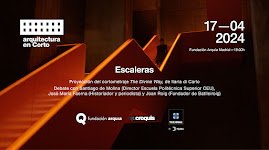
Todas estas reflexiones deben estar presentes, al nivel que se desee, cuando se proyecta, sea una escalera o la forma de entrar en un edificio. La dimensión vertical de la arquitectura es tan insoslayable como el sentido del arriba y el abajo que contiene. En realidad, cada edificio, por grande o pequeño que sea, es una caja de caudales de estas dos metáforas enfrentadas del arriba y del abajo. Cada obra debe ser una respuesta particular a esas dos direcciones.
Las metáforas del ascenso atañen a las escaleras, los montes, las torres y los árboles. A Jacob, en sueños, se le muestra lo que sucede tras subir por una escalera que lleva al mismo cielo. Pero al despertar dice: «¡Qué temible es este lugar!». Moisés y Abraham suben a una montaña para estar cerca del mensaje divino. El afán montañero no solo está concentrado en la tradición judeocristiana: Zeus gobierna desde lo alto del monte Olimpo y, en la India, Shiva habita el monte Kailash.
Al arriba se llega también en ascensor, y no solamente en escaleras infinitamente enroscadas sobre sí mismas. Sin embargo, el ascenso sin esfuerzo es un atajo nada gratificante desde el punto de vista espiritual. De todas las tipologías arquitectónicas que apuntan hacia lo alto y dejando aparte la torre de Babel, y las cúpulas, que se refieren inevitablemente al cielo, el templo, dice Eliade, es la puerta hacia el arriba. En el arriba nace uno de los polos del axis mundi. El arriba exige, por tanto, un abajo que sirva de antagonista tensional. El arriba es antigravitatorio, ligero y libre. En el arriba las cosas, los dioses, los pájaros y los seres sobrenaturales campan a sus anchas porque el cielo es, precisamente, una campa muy, muy ancha.
Todas estas reflexiones deben estar presentes, al nivel que se desee, cuando se proyecta, sea una escalera o la forma de entrar en un edificio. La dimensión vertical de la arquitectura es tan insoslayable como el sentido del arriba y el abajo que contiene. En realidad, cada edificio, por grande o pequeño que sea, es una caja de caudales de estas dos metáforas enfrentadas del arriba y del abajo. Cada obra debe ser una respuesta particular a esas dos direcciones.
If below are the storerooms, the dampness, and the birthplace of monsters, above lies their opposite. The simplification, however crude, comes remarkably close to the extremes of the imaginary universe of above and below. At the very top reside aspirations, motives, and the reasons for living. We place an unattainable vertical horizon above us. Above lies the source and origin of light. “Reaching the top” is not only a goal for seasoned mountaineers, but also for bankers, economists, and politicians. At the top lie money and power. Or so they say. There too are sanctity and the end of all alienation.
The metaphors of ascent concern staircases, mountains, towers, and trees. In a dream, Jacob is shown what happens after climbing a ladder that reaches heaven itself. Yet upon waking he says, “How awesome is this place!” Moses and Abraham climb a mountain in order to draw closer to the divine message. The mountaineering impulse is not confined to the Judeo-Christian tradition: Zeus rules from the heights of Mount Olympus, and in India, Shiva dwells on Mount Kailash.
One may also reach the above by elevator, not only by staircases endlessly coiled upon themselves. Yet ascent without effort is a shortcut with little spiritual reward. Of all architectural types that point upward—and setting aside the Tower of Babel, as well as domes, which inevitably refer to the sky—the temple, says Eliade, is the gateway to the above. In the above one of the poles of the axis mundi comes into being. The above therefore requires a below to serve as its tensional antagonist. The above is antigravitational, light, and free. In the above, things, gods, birds, and supernatural beings roam at will, because the sky is, quite literally, a very, very broad plain.
All these reflections should be present, to whatever degree desired, when one designs—whether a staircase or the way of entering a building. The vertical dimension of architecture is as unavoidable as the sense of above and below it contains. In reality, every building, large or small, is a strongbox holding these two opposing metaphors of above and below. Each work must offer its own particular response to those two directions.
The metaphors of ascent concern staircases, mountains, towers, and trees. In a dream, Jacob is shown what happens after climbing a ladder that reaches heaven itself. Yet upon waking he says, “How awesome is this place!” Moses and Abraham climb a mountain in order to draw closer to the divine message. The mountaineering impulse is not confined to the Judeo-Christian tradition: Zeus rules from the heights of Mount Olympus, and in India, Shiva dwells on Mount Kailash.
One may also reach the above by elevator, not only by staircases endlessly coiled upon themselves. Yet ascent without effort is a shortcut with little spiritual reward. Of all architectural types that point upward—and setting aside the Tower of Babel, as well as domes, which inevitably refer to the sky—the temple, says Eliade, is the gateway to the above. In the above one of the poles of the axis mundi comes into being. The above therefore requires a below to serve as its tensional antagonist. The above is antigravitational, light, and free. In the above, things, gods, birds, and supernatural beings roam at will, because the sky is, quite literally, a very, very broad plain.
All these reflections should be present, to whatever degree desired, when one designs—whether a staircase or the way of entering a building. The vertical dimension of architecture is as unavoidable as the sense of above and below it contains. In reality, every building, large or small, is a strongbox holding these two opposing metaphors of above and below. Each work must offer its own particular response to those two directions.


_-_left_hand_screen,%20imagen%20wikipedia.jpg)
 0000-0002-4607-9653













No hay comentarios:
Publicar un comentario